
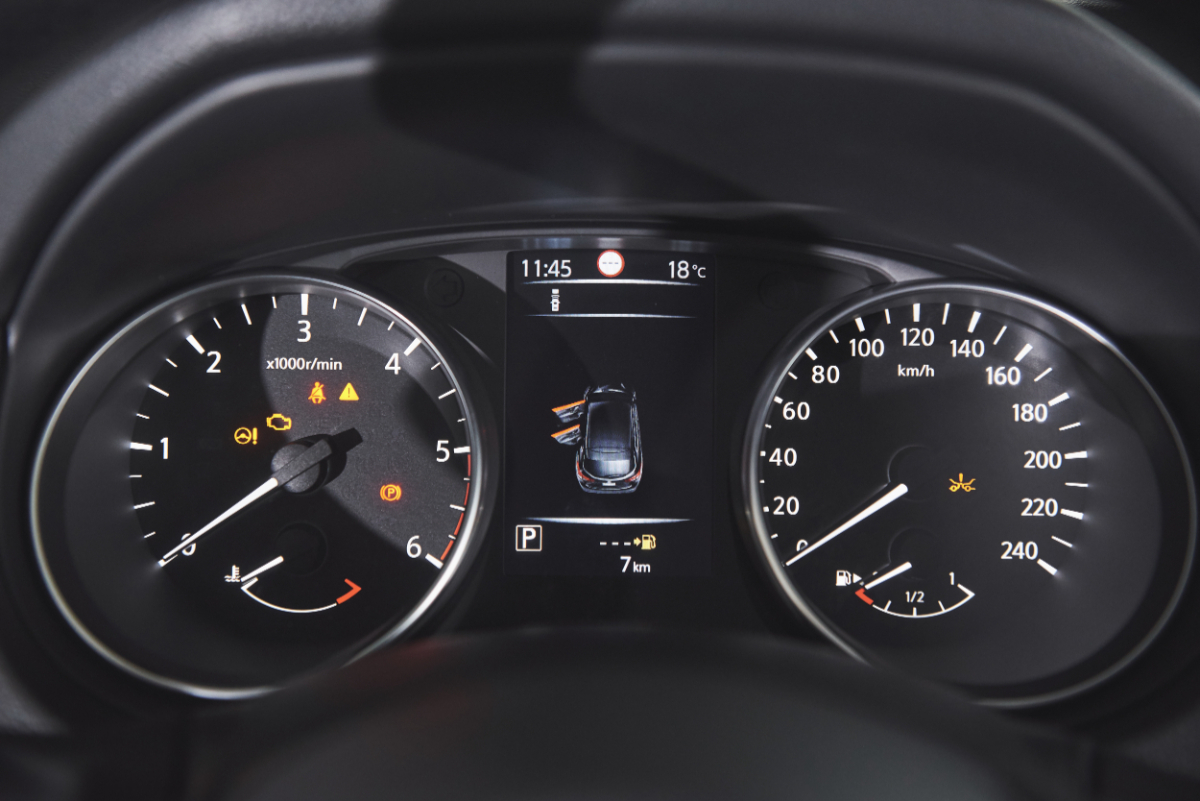
Dashboard warning lights are easy to ignore, especially if your car still seems to drive normally. However, some warning lights can point to faults that affect safety, performance, or emissions, and that can result in an MOT failure.
If a warning light stays illuminated, it may show that an important system in your vehicle is not working properly and needs attention before the MOT test.
For many drivers in the UK, the main concern is knowing which warning lights matter most and what they actually mean. While not every light on the dashboard will cause a fail, some are directly linked to parts of the vehicle that are checked during the MOT test.
These include systems such as brakes, airbags, engine management, and electronic stability control. Understanding these warning lights can help you deal with a problem early, avoid extra repair costs, and improve your chances of passing.
In this guide, we explain which warning lights can lead to MOT failure, what the most common dashboard warning lights mean, and what you should check before taking your car for its test.
Which Warning Lights Can Lead to MOT Failure?
Some dashboard warning lights can lead to an MOT failure because they show that a tested system has a fault. The MOT tester will check whether certain safety and emissions systems are working correctly, and if a warning light shows a serious issue, the result may be a fail.
The warning lights most likely to cause an MOT failure are those linked to the braking system, airbags, electronic stability control, and engine management. These systems play an important part in keeping the vehicle safe to drive, so any sign of a fault needs to be taken seriously.
For example, if the ABS warning light is illuminated, it may mean there is a problem with the anti-lock braking system. The car may still stop, but the system may not work as required in an emergency. In the same way, an airbag warning light can show a fault with the airbag system or another part of the vehicle’s restraint systems, which can also lead to a failure.
The engine management light is another common reason for MOT failure. If this light is on, it may mean the car has found a fault in the engine management or emissions system. In many cases, this can result in the vehicle failing its MOT because the issue may affect emissions or the way the system performs.
Can a Car Fail Its MOT Because of Dashboard Warning Lights?
Yes, a car can fail its MOT because of dashboard warning lights, but it depends on which light is on and what it means. Not all dashboard warning lights lead to failure, but any light linked to a tested item can be a problem.
This is why it is important not to assume that a warning light is harmless. Some faults may seem minor at first, but they can still affect the outcome of the MOT test. A vehicle that appears to be driving well can still have an issue in the braking system, engine management system, or another important safety feature.
The safest approach is to make sure any warning light is checked before the MOT test. That way, you can find the fault, repair it if needed, and avoid the inconvenience of a failed result.

What Do Car Dashboard Warning Lights Mean?
Car dashboard warning lights are designed to give you information about the condition of your vehicle. When a warning light appears, it means the car has detected an issue or that one of its systems needs attention. Some lights are reminders or alerts, while others point to faults that need urgent repair.
Modern cars use a range of symbols and messages to help drivers understand what is happening. In some vehicles, the dashboard may also display extra text to explain the warning light in more detail. Although symbols can vary slightly between different cars, the purpose is the same. They help you find a problem early and take action before it becomes more serious.
Understanding warning lights matters not only for day-to-day driving but also when preparing for an MOT. A light that has been ignored for weeks or months can easily become the reason a vehicle fails its test.
Warning Lights to Check Before an MOT Test
Before your MOT test, it is a good idea to check the dashboard carefully when you start the engine. Some lights will come on briefly as part of the normal start-up process, then go out. That is usually normal. The problem comes when a warning light stays illuminated after the engine has started.
The most important warning lights to look out for are the ABS light, airbag warning light, brake warning light, engine management light, and any warning linked to electronic stability systems where fitted. These are the lights most likely to lead to MOT failure because they often show faults in systems that the tester must inspect.
This simple check only takes a moment, but it can save time, money, and stress. If you notice a warning light before the MOT test, it is far better to deal with the issue early rather than risk a fail on the day.
Common Warning Lights and What They Mean:
ABS Warning Light
The ABS warning light relates to the anti-lock braking system. This system helps prevent the tyres from locking during heavy braking, which can improve control and safety. If the ABS light stays on, it usually means there is a fault in the system.
This is one of the most important warning lights to deal with before an MOT test. Even if the brakes still seem to be working, the issue can still result in an MOT failure because the system is part of the vehicle’s safety equipment. If the light is illuminated, the car should be checked as soon as possible.
Airbag Warning Light
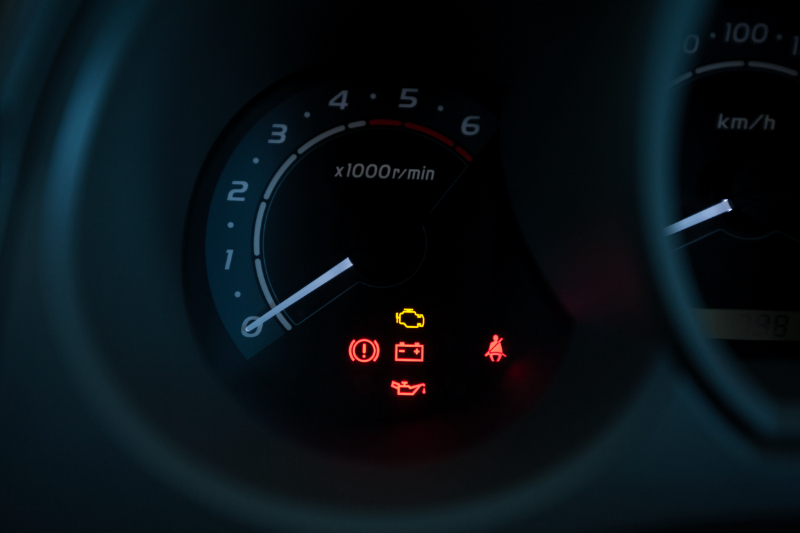
An airbag warning light can show a fault in the airbag system, seat belt pre-tensioners, or another part of the vehicle’s safety systems. Because airbags are designed to protect people in the event of a crash, any fault here is taken seriously.
Drivers sometimes ignore this warning light because the car may still feel normal to drive. However, it can still lead to MOT failure, so it is important to have the issue checked and repaired before the test.
Engine Management Light
The engine management light is one of the most common dashboard warning lights seen in modern cars. It usually means the engine management system has found a fault that could affect performance, fuel use, or emissions.
In some cases, the problem may be small. In others, it may point to a more serious fault. Either way, if the engine management light is illuminated, it can lead to an MOT failure. It can also cause the car to go into a reduced power mode, making it less pleasant and less safe to drive.
Brake Warning Light
A brake warning light can point to several issues, including low brake fluid, worn brake parts, or another fault in the braking system. Since brakes are one of the most important safety systems in any vehicle, this warning light should never be ignored.
If the brake warning light is on, it is important to stop and check the issue as soon as it is safe to do so. From an MOT point of view, problems in the braking system can quickly result in a fail.
Low Tyre Pressure Warning
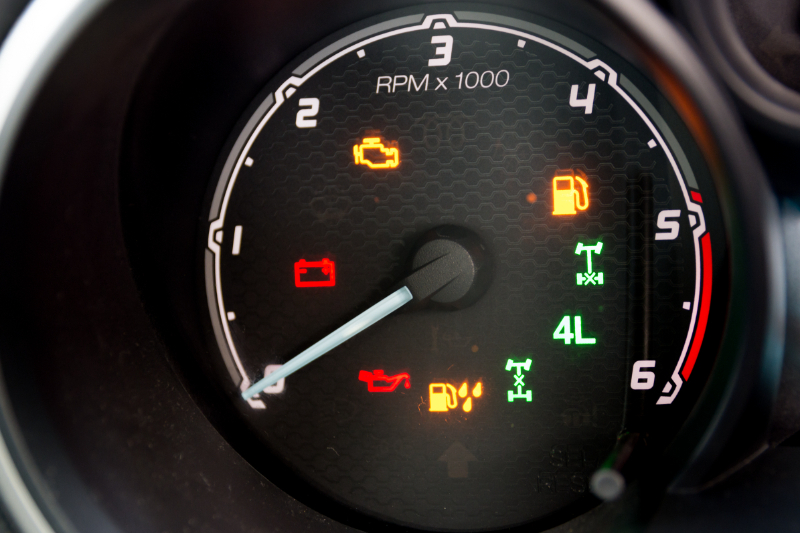
A low tyre pressure warning light means one or more tyres may not be inflated to the correct level. This can affect steering, braking, tyre wear, and overall safety. While this warning light does not always lead directly to MOT failure, tyres are a key part of the MOT test, so the issue still needs attention.
If the warning light comes on, check the tyre pressure and the condition of the tyres. A puncture, slow leak, or fault with the monitoring system may be the cause. Make sure everything is checked and working correctly before the test.
Engine Temperature Warning Light
The engine temperature warning light shows that the engine may be overheating. This can happen because of low coolant, a leak, or another mechanical issue. Although this light is not usually the main reason a vehicle fails its MOT, it is still a sign of a serious problem.
Driving while the engine is overheating can lead to severe damage. If this warning light appears, the safest action is to stop when safe and get the car checked. It is always better to deal with the fault before it causes more damage or affects the vehicle’s overall condition.
Battery Warning Light
A battery warning light usually means the charging system is not working properly. The issue could be caused by the battery, alternator, or another part of the electrical system. Although this is not always an MOT failure item on its own, it can still create wider problems if left unresolved.
A fault in the electrical system can affect other systems in the vehicle, so it is worth having it checked before the MOT test. This can help prevent more faults from appearing later.
Warning Lights That Drivers Often Overlook
Some warning lights are more obvious than others, and that can lead drivers to focus only on the most well-known ones. The engine management light often gets the most attention, but other dashboard warning lights can be just as important.
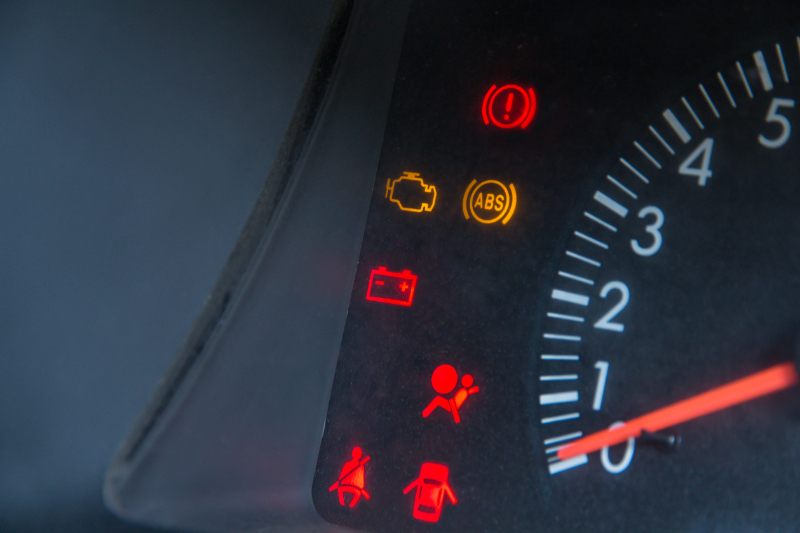
The airbag warning light is a good example. Because it does not usually affect how the car feels to drive, some drivers delay getting it checked. The same can happen with ABS or stability system warnings. However, these lights can still lead to MOT failure because they relate to systems that are important for safety.
This is why every illuminated warning light should be treated as a sign that something needs checking. Even if the issue seems small, it is always best to find out what it means rather than assume it is not serious.
How to Reduce the Risk of MOT Failure
The best way to reduce the risk of MOT failure is to check the vehicle before the test and deal with faults early. Start by looking at the dashboard when you switch the ignition on and when the engine starts. Make sure warning lights go out as they should and that no important lights remain illuminated.
It also helps to carry out a few simple checks around the car. Look at the tyres to make sure they are in good condition and properly inflated. Check that all external lights are working. Pay attention to how the brakes feel and whether the steering seems normal. If anything feels wrong, get it checked before the MOT test.
Booking a pre-MOT inspection can also be a sensible step. This gives a garage the chance to find issues early, including faults stored in the system that may be linked to dashboard warning lights. For modern cars, especially, this can be an easy way to spot faults before they lead to a failed result.
Why You Should Never Ignore Warning Lights
Warning lights are there to help you spot a problem before it becomes worse. Ignoring them can lead to more serious faults, higher repair costs, and greater safety risks. What might begin as a small issue can grow into a bigger problem over time, especially if it affects a key system such as brakes, steering, tyres, or engine management.
From an MOT point of view, leaving a warning light unresolved can be the difference between a pass and a fail. It can also mean more time off the road while repairs are carried out. Acting early gives you the best chance to keep the vehicle in good condition and avoid unnecessary stress.
Warning Lights And MOT Failure: Final Thoughts
So, what warning lights can lead to MOT failure? The main ones to look out for are the ABS warning light, airbag warning light, brake warning light, engine management light, and other warning lights linked to key safety or emissions systems. If these lights are illuminated, there is a real chance your vehicle could fail its MOT.
The good news is that many of these issues can be found and fixed before the test with a few simple checks and timely repairs. By paying attention to dashboard warning lights, making sure key systems are functioning correctly, and getting faults checked early, you can improve your chances of passing and help keep your car safe to drive.
Are you looking for Mercedes MOT in Surrey? If you are a Mercedes-Benz owner you will want to ensure your car is in the right hands.
Follow the links below for Mercedes servicing and repairs in Godstone, Crawley, Croydon, Sevenoaks and the surrounding areas.